

Mipojip Seafood!! Discover why this 3-generation Korean seafood specialist is a must-visit destination for authentic ganjang gejang in Seoul

Have you ever tasted seafood so fresh and flavorful that it literally makes you want to eat more rice just to savor every last drop of the marinade? That’s exactly what happened to me at Mipojip, a legendary Korean seafood jang restaurant tucked inside Lotte World Mall in Jamsil, Seoul.

As someone who explores Seoul’s food scene regularly, I’m always on the hunt for authentic Korean dining experiences that go beyond the typical tourist spots. When I discovered Mipojip—a three-generation family restaurant originally from Busan—I knew I had found something special. This isn’t just another trendy restaurant; it’s a place where traditional Korean culinary artistry meets premium fresh seafood, all marinated in a secret fruit soy sauce recipe that’s been perfected over 40 years.
In this comprehensive guide, I’ll take you through everything you need to know about dining at Mipojip: from what to order and how to eat it properly, to insider tips that’ll help you avoid the crowds and make the most of your visit. Whether you’re a first-time visitor to Seoul or a seasoned K-food enthusiast, this guide will help you experience one of Korea’s most beloved seafood traditions.
The Story Behind Mipojip – 3 Generations of Korean Culinary Excellence

A Busan Legacy Comes to Seoul
Mipojip isn’t just another restaurant riding the Korean food wave—it’s a culinary institution with deep roots in Busan, Korea’s famous port city known for its exceptional seafood. For three generations, this family has perfected the art of seafood jang, particularly the beloved ganjang gejang (soy sauce marinated crab) that Koreans affectionately call “bap dodook” or “rice thief” because it’s so delicious you can’t stop eating rice with it.
What sets Mipojip apart is their proprietary fruit enzyme-based soy sauce that’s been refined over 40 years. Unlike regular soy sauce marinades, their version incorporates natural fruit enzymes that help tenderize the seafood while adding subtle sweetness and depth of flavor. You’ll actually see these beautiful fruit enzyme jars displayed right at the restaurant entrance—they’re so beautifully packaged that they make excellent gifts for food-loving friends back home.


Why Seafood Jang Matters in Korean Cuisine
Seafood jang represents one of Korea’s most treasured culinary traditions. This preservation method dates back centuries when Korean coastal communities needed ways to store their catch. Through fermentation and careful marination in soy sauce-based brines, they created dishes that weren’t just preserved food—they became delicacies that showcase the natural sweetness and texture of premium seafood.
Today, restaurants specializing in seafood jang are judged on three critical factors: the freshness of their seafood, the quality of their marinade, and the balance of flavors. Mipojip excels in all three areas, which explains why even on a random weekday evening, the restaurant is packed with both locals and visitors who know good Korean food.


Mipojip Seafood Lotte World Mall: Ultimate Guide to Seoul’s Best Seafood Jang Restaurant (25/12/4)
Address & Contact Information
Mipojip (미포집)
- Address: 300 Olympic-ro, Songpa-gu, Seoul (Lotte World Tower & Lotte World Mall, 5th Floor)
- Phone: 0507-1383-1451
- Hours: 10:30 AM – 10:00 PM (Open Daily)
- Amenities: Group dining rooms available, Wi-Fi, separate restrooms, waiting area, takeout options
Getting There: Your Step-by-Step Guide
By Subway (Easiest Option): The restaurant is incredibly accessible via Seoul’s efficient subway system. Take Line 2 or Line 8 to Jamsil Station (잠실역). From there, follow the signs to Lotte World Mall—the restaurant is on the 5th floor. The entire journey from the station to your table takes less than 10 minutes.
By Taxi: Simply tell your driver “Lotte World Mall, 5층” (oh-choong means 5th floor). Most drivers know the landmark well. From major areas in Seoul:
- From Myeongdong: Approximately 20-25 minutes, ₩15,000-20,000
- From Gangnam: Approximately 15 minutes, ₩10,000-15,000
- From Hongdae: Approximately 30-35 minutes, ₩25,000-30,000
By Car: Lotte World Mall offers extensive parking facilities. Parking validation may be available with your restaurant receipt—ask your server.
Best Times to Visit (Insider Timing Tips)
Here’s what I learned from my visit and talking to the staff:
Weekdays: Arrive before 6:00 PM or after 8:00 PM. The dinner rush between 6:30-7:30 PM can mean 30-45 minute waits even on weekdays.
Weekends: The restaurant gets busy by 5:30 PM and stays packed until closing. If you’re visiting on Saturday or Sunday, either go right when they open at 10:30 AM for a luxurious brunch, or plan for a late lunch around 3:00 PM.
Holidays & Special Occasions: Korean holidays like Chuseok and Lunar New Year see reduced hours or closures, so always call ahead.
Pro Tip: I arrived on a Thursday around 6:00 PM and barely snagged a table without waiting. Just 20 minutes later, there was a line of people waiting. Timing really is everything!
Mipojip Seafood Lotte World Mall: Ultimate Guide to Seoul’s Best Seafood Jang Restaurant (25/12/4)
A Modern Take on Traditional Korean Dining
As you approach Mipojip on the 5th floor of Lotte World Mall, you’ll immediately notice its semi-open layout—a design choice that creates an inviting, airy atmosphere while still maintaining enough separation from the mall’s hustle and bustle. The interior strikes a perfect balance between modern elegance and traditional Korean warmth.
The restaurant is surprisingly spacious, extending much deeper than it appears from the entrance. Natural wood tones dominate the decor, complemented by soft lighting that makes the food look even more appetizing (and your photos will turn out great, trust me).
Dining Spaces for Every Occasion
Main Dining Area: The open dining space features comfortable seating with proper back support—important for a meal that can easily stretch to 90 minutes as you savor each component of your seafood set.

Private Group Rooms: Toward the back, Mipojip offers private dining rooms perfect for:
- Family gatherings and celebrations
- Business dinners where you want privacy
- Year-end company parties (very popular in Korean culture)
- Friend group reunions
These rooms typically require advance reservations and may have minimum spending requirements.
The Fruit Enzyme Display – An Instagram Moment
Don’t rush past the entrance! The colorful display of Mipojip’s signature fruit enzymes creates a stunning visual moment. These aren’t just for show—they’re the actual enzymes used in the restaurant’s marinades, and they’re available for purchase. The elegant packaging makes them ideal souvenirs or gifts for foodie friends.
Mipojip Seafood Lotte World Mall: Ultimate Guide to Seoul’s Best Seafood Jang Restaurant (25/12/4)
Understanding the Menu Structure
Mipojip’s menu centers around two main categories: their famous seafood jang sets and various pot rice options. For first-time visitors, I strongly recommend going with one of the seafood jang sets to experience the full range of their expertise.
Signature Seafood Jang Sets
Beauty Seafood Jang Set (미녀 해물장 정식) – ₩43,000 per person

This is the restaurant’s signature offering and what I ordered. Here’s exactly what you get:
8 Types of Premium Seafood Jang:
- Female crab (암게) – prized for its roe
- Male crab (숫게) – valued for its meat texture
- Salmon (연어) – surprisingly amazing in soy marinade
- Fresh shrimp (새우) – pre-peeled for convenience
- Octopus (문어) – tender, not chewy
- Abalone (전복) – luxurious and buttery
- Whelk (골뱅이) – slightly crunchy texture
- Scallop (가리비) – sweet and delicate
Complete Accompaniments:
- Traditional Korean pot rice (solbap/솥밥)
- 8 varieties of seasonal banchan (side dishes)
- Seaweed soup
- Special egg yolk and flying fish roe dipping sauce
- Fresh seaweed wraps
- Hygienic gloves for eating
What Makes It Special: Every piece of seafood is marinated in Mipojip’s 40-year-old secret fruit soy sauce recipe. The marinade penetrates deep into the flesh, creating layers of umami, sweetness, and that characteristic fermented depth that makes Korean jang dishes so addictive.
Single Seafood Jang Set (1인 해물장 정식) – ₩35,000 per person
A more streamlined version perfect for solo travelers or those wanting to sample the experience without committing to the full spread. You’ll get a curated selection of seafood jang (typically 5-6 varieties) with pot rice and side dishes.

Who Should Order This:
- Solo travelers eating alone
- Light eaters who want to try other Korean dishes afterward
- Budget-conscious diners still wanting an authentic experience
- Anyone who wants to save room for Lotte World Mall’s dessert cafes
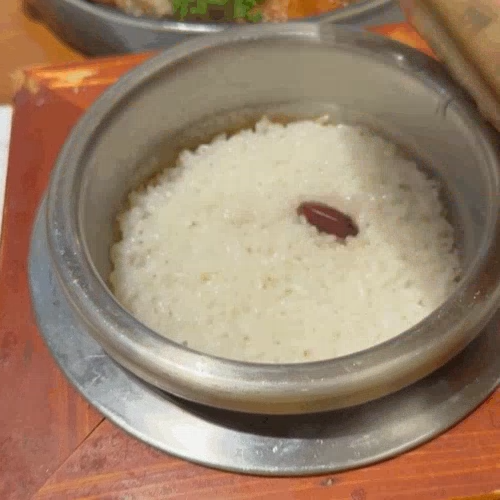
Pot Rice Specialties (솥밥)
While seafood jang is the star, Mipojip also specializes in traditional Korean pot rice dishes. These can be ordered separately or as part of a set:

Standard Options:
- Classic white rice pot
- Mixed grain rice
- Vegetable rice
- Mushroom rice
Limited Edition – Eel Pot Rice (장어솥밥): Only 30 servings available daily! This premium option features fresh eel cooked with rice in a stone pot. The eel’s rich oils infuse the rice, creating incredible depth of flavor. If you’re visiting specifically for this, call ahead to confirm availability or arrive early.
Beverages – Pairing Your Meal
Beauty Wine & Beauty Highball: Mipojip offers their own branded beverages designed to complement the seafood jang. The wine is a light, slightly sweet option that doesn’t overpower the delicate seafood flavors, while the highball provides a refreshing contrast to the rich, salty-sweet marinade.
Traditional Korean Options:
- Makgeolli (rice wine) – the classic pairing for jang dishes
- Soju – if you prefer something stronger
- Soft drinks and green tea
My Recommendation: Start with green tea to cleanse your palate, then switch to makgeolli or their Beauty Highball as you work through the seafood. The slight carbonation helps cut through the richness.
Menu Tips for First-Timers
If you’re dining alone: Order the Single Seafood Jang Set. You’ll get plenty of variety without overwhelming portions.
If you’re with a partner: Get one Beauty Seafood Jang Set to share. Yes, it says “per person,” but the portions are generous enough that two lighter eaters can share one set comfortably (though purists might disagree!).
If you’re in a group of 3-4: Order the Beauty Set for everyone. This lets you try everything and creates that communal Korean dining experience where everyone shares from the center.
For larger groups (5+): Mix it up! Order mostly Beauty Sets with one or two eel pot rice dishes for variety. Consider booking a private room.
Mipojip Seafood Lotte World Mall: Ultimate Guide to Seoul’s Best Seafood Jang Restaurant (25/12/4)
Let me walk you through exactly what happened during my meal, so you know what to expect and how to make the most of each component.
The Appetizer Course – Setting the Stage
Before the main seafood arrives, your table transforms into a colorful spread of appetizers. Four types of salads and tempura came out first, each more beautiful than the last:
Sweet Pumpkin Tempura: Golden-fried sweet pumpkin pieces with a light, crispy batter. The accompanying sauce had subtle sweet and savory notes that complemented the pumpkin’s natural sweetness.

Mushroom Tempura: Earthy, meaty mushrooms in the same light tempura coating. The sauce here was slightly more savory with hints of garlic.

Broccoli Tempura with Sesame Sauce: This was my surprise favorite among the appetizers. The broccoli stayed crisp inside the tempura, and the nutty sesame sauce added such depth. I could have eaten a whole plate of just these.
Fresh Salad with Tangy Dressing: A palate-cleansing mix of greens, tomatoes, and vegetables with a light citrus-based dressing that prepared my taste buds for the rich seafood to come.
Why These Appetizers Matter: Korean fine dining is all about balance. These light, vegetable-forward starters serve multiple purposes: they whet your appetite, provide digestive support for the heavier protein course ahead, and offer textural contrast to the soft, marinated seafood.
The Main Event – Beauty Seafood Jang Set
When the waitress brought out the main course, I audibly gasped. The presentation is absolutely stunning—a large wooden platter showcasing eight different types of seafood, each glistening with the signature marinade. The visual impact alone is worth the visit.
Understanding Each Seafood Component
Ganjang Gejang (Soy Marinated Crab) – The Star of the Show


Both male and female crabs are included, and they offer distinctly different experiences:
Female Crab (Amge): When you crack open the shell, you’re greeted with bright orange roe that’s creamy and rich. The meat is slightly softer, more delicate. Koreans prize female crab for special occasions because the roe adds luxurious richness. The roe mixed with rice becomes an almost custard-like experience—decadent and unforgettable.
Male Crab (Sutge): Firmer meat texture with more substantial chew. The flesh comes out in large, satisfying chunks. If you prefer meat over roe, you might actually favor the male crab.
The Technique: The waitress kindly provided hygienic gloves and showed me how to crack the crabs. Don’t be shy—use your hands! Pull the top shell off, scoop out the meat and roe, and pile it onto your rice. The crab shell itself becomes a perfect little bowl for mixing rice and crab together.
Salmon Jang – My Personal Favorite

I never expected to love salmon jang as much as I did. The raw salmon, after marinating in the soy sauce, develops this incredible silky texture—somewhere between sashimi and cured fish. The soy sauce penetrates the fat layers of the salmon, creating this umami bomb that’s simultaneously rich, salty, sweet, and clean-tasting.
How to Eat It: Take a piece of the fresh seaweed (gim) they provide, place a slice of salmon jang on it, add a tiny bit of wasabi, a slice of the provided fresh chili pepper, and maybe a bit of the raw onion that’s cleverly placed under the salmon for added crunch. Wrap it all up and pop it in your mouth. The combination of textures and flavors is absolutely incredible.
Octopus Jang – The Surprising Tender One
I’ll admit, I was skeptical. Octopus can be rubbery and tough. But Mipojip’s version? Incredibly tender. The marinade does something magical to the texture—it’s still got that characteristic octopus bite, but it’s not chewy or difficult. The flavor is more subtle than the crab or salmon, almost delicate.
Pro Tip: Try the octopus with the special egg yolk and flying fish roe sauce (more on this below). The richness of the egg yolk complements the mild octopus perfectly.
Shrimp Jang – Convenience Meets Flavor
The shrimp come already peeled and deveined—a thoughtful touch that lets you focus on enjoyment rather than wrestling with shells. They’re plump, sweet, and the marinade highlights their natural sweetness rather than overpowering it.
Scallop Jang & Whelk Jang
The scallops offer buttery sweetness and almost melt on your tongue. The whelks provide textural contrast with their slight crunch. Both are more subtle in flavor, serving as excellent palate cleansers between the richer crab and salmon.
Abalone
Tender, slightly chewy in the best way, with that characteristic oceanic flavor that abalone lovers crave. This is premium seafood, and Mipojip treats it with respect—the marinade enhances rather than masks the abalone’s natural taste.
The Secret Weapon – Egg Yolk & Flying Fish Roe Sauce
This was a revelation. I’d never seen this combination before, and it might be unique to Mipojip. In a small bowl, they mix:
- Raw egg yolk
- Orange flying fish roe (tobiko)
- Finely chopped chives
- Sesame seeds
The result is a creamy, rich, slightly briny sauce with little pops of texture from the fish roe. When you dip your seafood jang—especially the milder ones like octopus or scallop—into this sauce, it adds a whole new dimension of richness and umami.
How to Use It: Don’t drown your seafood in this sauce. Use it as an accent. A small dab is enough to transform each bite.
Hot Pot Rice – The Foundation
The pot rice arrives piping hot in a traditional stone pot (dolsot). Here’s the technique the server taught me:
- Immediately scoop out most of the rice into the provided bowl. This rice is for mixing with your seafood jang and creating bibimbap.
- Add hot water to the remaining rice in the stone pot. This creates nurungji—crispy, scorched rice that you’ll eat at the end of the meal. The hot water softens the crispy bits into a porridge-like consistency.
- Let the nurungji sit while you enjoy your seafood. By the time you’re ready for it, it’ll be perfect.
The Rice Quality: Not just plain white rice—Mipojip uses premium short-grain Korean rice that’s slightly sticky and perfect for holding the seafood and marinade. Each grain is perfectly cooked, not mushy or hard.
Creating the Perfect Crab Jang Bibimbap

This is where the magic happens. Here’s my method, perfected through trial and error:
- Take a generous scoop of pot rice into your bowl
- Add large chunks of crab meat and roe
- Drizzle in some of the marinade from the seafood platter
- Mix everything together thoroughly
- Take a piece of seaweed, add a spoonful of your crab-rice mixture
- Wrap it up and enjoy
The result? Half crab, half rice, wrapped in crispy seaweed—pure Korean comfort food bliss. I literally mixed my rice in the empty crab shell at one point because why not? It all tastes better eaten from the crab shell anyway!

Side Dishes & Accompaniments – The Supporting Cast
Eight varieties of banchan (side dishes) accompanied the meal. Korean side dishes aren’t afterthoughts—they’re carefully chosen to provide balance, aid digestion, and offer flavor variety. At Mipojip, each banchan was clearly made with care:
- Kimchi: Not too spicy, perfectly fermented with good crunch
- Seasoned Spinach (Sigeumchi Namul): Garlicky, nutty from sesame oil
- Soy-Braised Potatoes (Gamja Jorim): Sweet-salty comfort
- Pickled Radish: Sharp, tangy palate cleanser
- Seasoned Bean Sprouts: Light, refreshing
- Braised Tofu: Savory, protein-rich
- Seasoned Seaweed Stems: Crunchy, oceanic
- Squid Jeotgal (Fermented Squid): Intensely savory, perfect with nurungji
The Seaweed Soup: Light, clear broth with soft seaweed. Koreans always include soup in a complete meal for digestion and balance. Sip it between bites of the rich seafood jang.
The Perfect Ending – Nurungji (Scorched Rice)
By the time you’ve finished your seafood and bibimbap, the nurungji in your stone pot has transformed into a warm, comforting porridge. The scorched rice bits have softened but still retain some textural interest.
How to Finish: Mix in some of the squid jeotgal (fermented squid) from your side dishes. The intense, funky, salty-savory flavor of the jeotgal is the perfect complement to the mild, slightly sweet nurungji. This combination aids digestion and provides a satisfying, warming conclusion to your meal.
Why This Matters: In Korean food culture, the ending is just as important as the beginning. Nurungji settles the stomach, provides warmth, and signals closure to the meal. It’s comfort food at its finest.
Mipojip Seafood Lotte World Mall: Ultimate Guide to Seoul’s Best Seafood Jang Restaurant (25/12/4)
What I Recommend Ordering
For Your First Visit: Go with the Beauty Seafood Jang Set. Yes, it’s more expensive, but you get the full experience with all eight seafood varieties. You’re here for authentic Korean seafood jang—go all in.
The Must-Try Items:
- Salmon Jang – I cannot stress this enough. Even if you’re not typically a salmon person, try it. The marinade transforms it completely.
- The Egg Yolk & Flying Fish Roe Sauce – This might be unique to Mipojip. Experiment with different seafood-sauce combinations.
- Crab Jang Bibimbap – Don’t just eat the crab on its own. Mix it with rice and wrap it in seaweed. This is the authentic way.
What to Skip: Honestly? Nothing. Every component of the meal served a purpose and was delicious. If you must economize, the Single Set rather than the Beauty Set still gives you the authentic experience.
Dining Strategies
Timing Your Visit:
- Absolute Best Time: Tuesday or Wednesday, 5:30 PM. You’ll beat the dinner rush and get great service.
- Weekend Strategy: Arrive at opening (10:30 AM) for a luxurious brunch, or go late lunch (3:00 PM).
- Worst Time: Friday/Saturday dinner rush (6:30-8:00 PM). Expect 45+ minute waits.
Reservation Tips:
- Mipojip doesn’t take reservations for parties smaller than 6-8 people
- If you have a large group, call at least 2-3 days ahead: 0507-1383-1451
- Private rooms require reservations and may have minimum spending requirements
For Solo Travelers: Don’t be intimidated! Korean restaurants are increasingly solo-friendly. Order the Single Seafood Jang Set, bring a book or your phone, and enjoy. The staff are welcoming to solo diners.
Group Dining Perks:
- More variety to taste
- Can share different pot rice options
- Better for photos (someone else can take pictures!)
- More fun Korean-style communal eating experience
Takeout Options: Yes, Mipojip offers takeout! However, seafood jang is really best enjoyed fresh in the restaurant where you can properly mix it with hot rice, make bibimbap, and enjoy the nurungji. Save takeout for reheating at home the next day if you can’t finish everything.
Photography Tips
Best Shots to Get:
- The full spread when everything first arrives (overhead shot)
- Close-up of the seafood platter before you start eating
- The process of mixing crab jang with rice
- Your seaweed wrap before biting
- The pot rice with nurungji forming
Instagram Etiquette:
- Be mindful of other diners—don’t stand on chairs or block walkways
- Take your photos quickly while food is fresh
- The lighting is good, but slightly warm-toned, so adjust your white balance
- Natural light from the semi-open area is best during day visits
My Photo Settings: I shot everything on my phone with natural light, no flash. The food is so beautiful it barely needs editing—just adjust brightness slightly and you’re golden.
Budget Considerations
Total Cost Breakdown for Two People:
- 2x Beauty Seafood Jang Set: ₩86,000
- 2x Beverages (Beauty Highball): ₩16,000
- Tax/Service: Usually included
- Total: Approximately ₩102,000 ($75-80 USD)
Is It Worth It? Absolutely. When you break down what you’re getting—eight types of premium seafood, pot rice, multiple side dishes, appetizers, soup, and the overall experience—the value is excellent for this quality level in Seoul. Compare this to high-end sushi or seafood restaurants in other major cities, and Mipojip is quite reasonable.
How It Compares:
- High-end ganjang gejang specialists in Seoul: ₩50,000-80,000 per person
- Tourist trap restaurants in popular areas: ₩30,000-40,000 for lower quality
- Casual Korean restaurants: ₩10,000-15,000 (but completely different experience)
Money-Saving Tips:
- Go for late lunch (2-4 PM) when you’re hungry—this meal can easily replace two meals
- Share one set between two lighter eaters
- Skip alcohol and stick with green tea
- Visit on weekdays for better value perception (same prices, but less crowded = better service)